


Currently Empty: R0.00
Briefing on Sanitary Pads and Menstrual Health Management in Basic Education
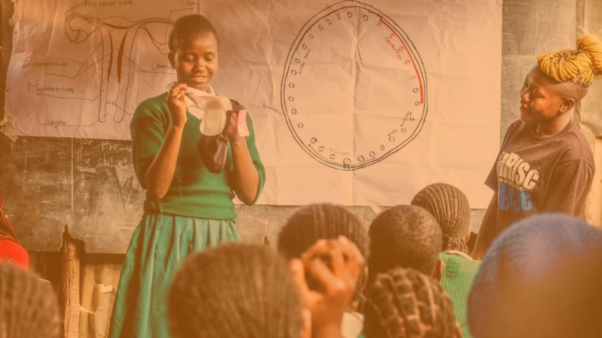
Briefing on Sanitary Pads and Menstrual Health Management in Basic Education (18 February 2025)
To read the full presentation, click here
The Department of Basic Education (DBE) presented a comprehensive update to the Portfolio Committee on Women, Youth and Persons with Disabilities regarding the implementation of the Menstrual Health Management (MHM) and Sanitary Dignity Programme within the basic education sector.
Key Highlights:
- MHM as a Human Rights Issue: The DBE emphasized that menstrual health is a fundamental human rights concern, as poor access to menstrual products and education compromises girls’ right to basic education. It acknowledged the multi-sectoral nature of the issue, requiring collaboration across departments, civil society, and business.
- Curriculum Integration: MHM is embedded in Life Skills and Life Orientation curricula across all school phases (Grades 4–12), addressing topics such as body image, puberty, healthy relationships, gender equality, sexual health, and assertiveness.
- Policy and Guidelines: The DBE has developed guidelines to support MHM implementation in schools, including the 2017 Guidelines for Water, Sanitation and Hygiene (WASH), which provide practical solutions even in resource-limited settings. The initiative aligns with national frameworks such as the Integrated School Health Policy (ISHP), the National Development Plan, and the National Strategic Plan to End Gender-Based Violence.
- Action and Research-Based Implementation: The department collaborates with other stakeholders through the Sanitary Dignity Implementation Framework, ensuring the distribution of sanitary pads to selected schools. Additional support is offered through Learner Support Agents and Child and Youth Care Workers, especially to address absenteeism linked to menstruation.
- Infrastructure and Facility Improvements: The Accelerated School Infrastructure Delivery Initiative (ASIDI) and the SAFE Initiative support efforts to improve school sanitation facilities, though menstrual waste disposal remains an unresolved challenge.
- Budget Constraints and Sector Mobilisation: Despite financial limitations—R246 million allocated versus the R400 million estimated—the department continues phased implementation while calling for broader societal and sectoral support.
Conclusion and Recommendation:
The DBE reaffirmed its commitment to advancing menstrual health in education and recommended that the Portfolio Committee acknowledge the progress and support the ongoing rollout of the Sanitary Dignity Programme.